Good to know
Bilingual staff vs. professional interpreters: what’s the difference?
Being bilingual doesn’t automatically mean someone is trained to interpret accurately, impartially and confidentially. When the conversation involves health, legal rights, employment or safety, that difference matters.
Bilingual staff
Professional interpreter
Speaks two or more languages
Trained specifically in interpretation
May communicate informally with clients or coworkers
Interprets accurately and impartially between parties
Usually has no formal interpreter training
Receives professional interpreter training
May summarize, explain or leave out information unintentionally
Interprets the complete message without adding or omitting
May not know confidentiality requirements for interpreting
Trained in confidentiality, ethics and professional standards
May not know specialized terminology
Prepared for industry-specific terminology
Is pulled away from their regular job
Dedicated, professional language support
Can create communication and liability concerns with sensitive information
Designed to support clear, accurate and protected communication
When it matters most
Bring in a professional when the stakes are high
A trained interpreter helps reduce misunderstandings and supports a safer, more professional environment in conversations like these.

Medical appointments & health information

Legal matters & legal rights

HR, employment & disciplinary meetings

Safety, OSHA & emergency procedures

IEP, 504 & school meetings

Anything confidential or sensitive
Training & standards
What professional training adds
Professional interpreters learn techniques, ethics and terminology that everyday bilingual speakers never have to think about. That’s what keeps a conversation complete, neutral and private.
Language ability alone does not equal professional interpretation training.
✓ Accuracy and completeness
✓ Confidentiality
✓ Professional ethics
✓ Impartiality
✓ Appropriate interpreting techniques
✓ Industry-specific terminology
✓ Clear communication between limited-English-proficient individuals and English-speaking staff
Supporting your team
Your bilingual employees are an asset — let them do their jobs
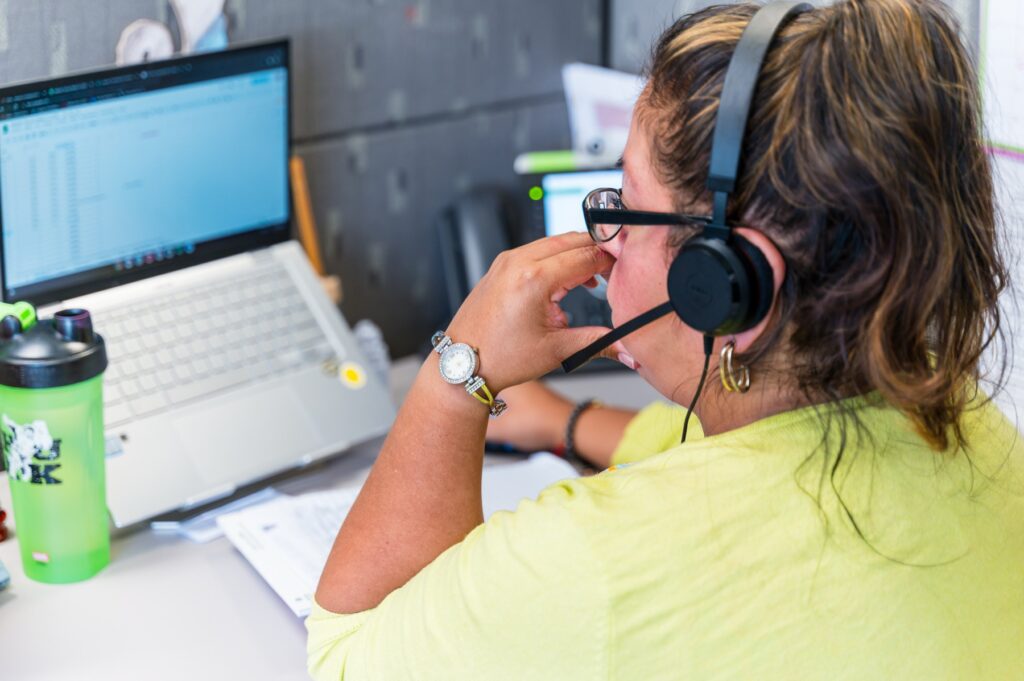
Bilingual staff make your organization more welcoming every day. But asking them to interpret high-stakes conversations puts them in a difficult position and takes them away from the work they were hired to do.
Professional interpreters protect your employees, your clients and your organization — on-site, by phone or by video, whenever you need them.
Explore workplace interpreting
Reduce communication barriers. Improve understanding.
Let’s talk about the conversations that matter most in your organization — and the right language support for each one.